AI Product Photography That Sells More Online
Discover how AI product photography helps ecommerce teams create better visuals faster, reduce production costs, and scale brand-ready content across channels.
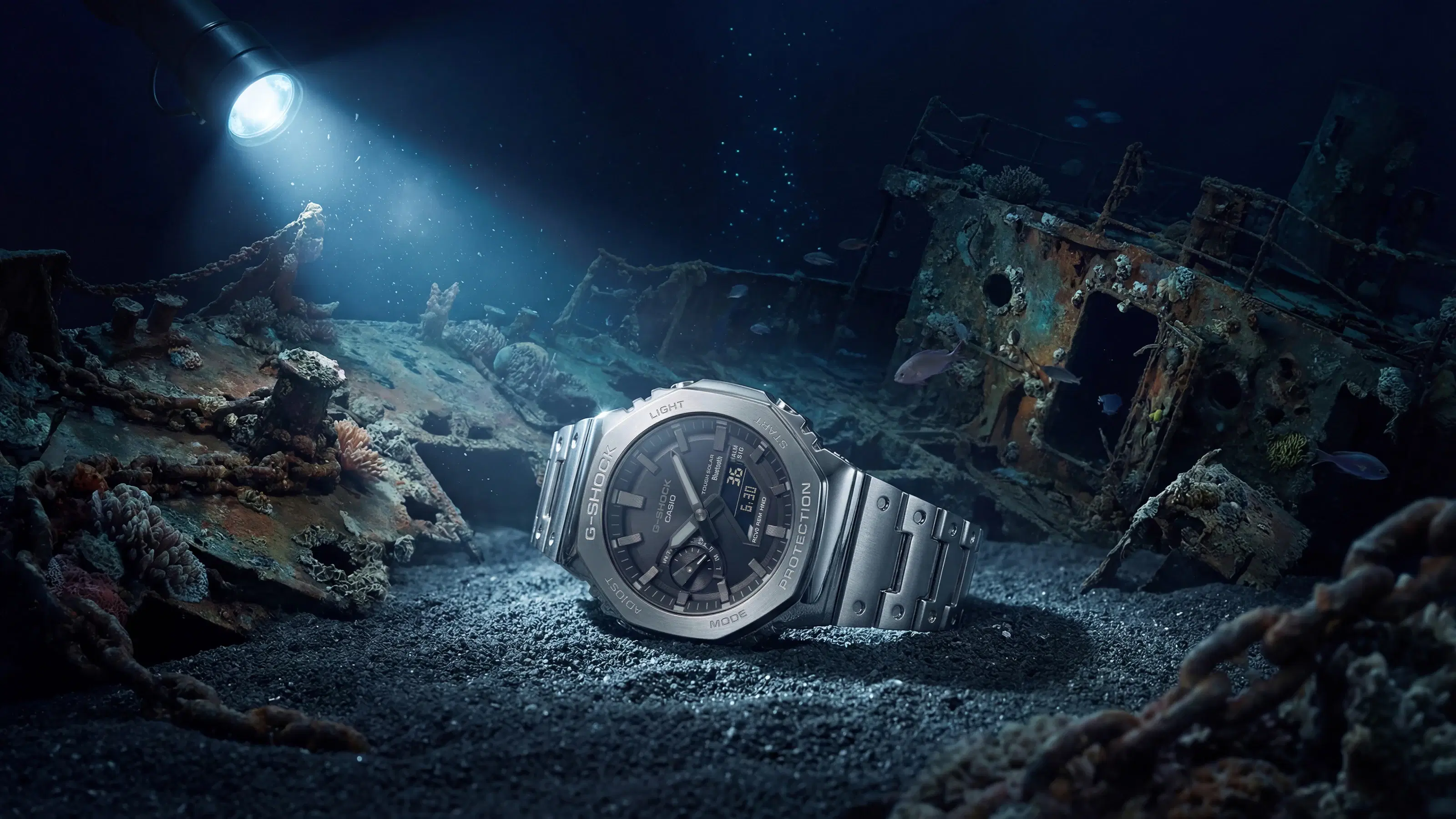
Great product images have always been one of the strongest drivers of ecommerce performance. They build trust, explain value quickly, and help shoppers imagine the product in their own lives. The difference today is that brands no longer need to rely only on traditional studio shoots to create every visual asset they need.
AI product photography is changing how ecommerce teams produce, test, and scale product imagery.
What Is AI Product Photography?
AI product photography uses artificial intelligence to create or enhance product images for online stores, ads, marketplaces, social media, and brand campaigns. Instead of photographing every scene manually, a team can upload a product image and use AI tools to generate clean backgrounds, lifestyle settings, seasonal variations, model shots, shadows, reflections, and campaign-ready compositions.
This does not mean replacing every photographer or creative director. In practice, AI product photography works best as a production accelerator. It helps teams turn a single product asset into many polished visual variations while keeping the product itself consistent and recognizable.
For example, a skincare brand might start with a simple packshot of a moisturizer. With AI, that same product can appear on a marble bathroom counter, in a minimalist studio scene, beside botanical ingredients, or in a holiday gift campaign without booking four separate shoots.
Why Ecommerce Brands Are Adopting It
Ecommerce has become increasingly visual. Brands need images for product pages, marketplace listings, paid ads, email campaigns, landing pages, influencer briefs, and social posts. Each channel has different creative requirements, dimensions, and performance expectations.
AI helps solve a practical business problem: visual demand is growing faster than traditional production budgets.
For many teams, the benefits are immediate:
- Faster campaign production and product launches
- Lower costs compared with repeated studio shoots
- More creative variations for A/B testing
- Easier localization for different markets or seasons
- Consistent visuals across product catalogs
- Reduced dependency on complex shoot logistics
This is especially valuable for small and mid-sized brands that need premium visuals but cannot afford large-scale creative production every month. It also helps larger ecommerce teams move faster, refresh stale product pages, and test new concepts before investing in full campaign shoots.
The biggest advantage is not simply speed. It is creative flexibility at scale.
That idea is worth repeating: AI product photography gives brands the freedom to test more visual ideas before committing major budget.
How AI Product Photography Works
Most AI product photography workflows begin with a clear image of the product. The tool identifies the product shape, edges, texture, and lighting cues. From there, the user can choose or describe the desired setting, mood, background, angle, or campaign concept.
A typical workflow looks like this:
- Upload a high-quality product photo.
- Remove or replace the background.
- Select a visual style, scene, or use case.
- Generate several image options.
- Review details for accuracy and brand fit.
- Edit, refine, or export the best results.
Some tools focus on simple background generation. Others support more advanced lifestyle scenes, model integration, batch catalog editing, or brand style consistency. The best results usually come from combining strong source images with clear creative direction.
AI is powerful, but it still needs taste. A good ecommerce marketer knows what kind of visual will support the product promise, match the brand identity, and persuade the target customer.
Realistic Limitations to Know
AI product photography is impressive, but it is not magic. Brands should understand its limits before making it the center of their visual workflow.
The most important limitation is product accuracy. AI may slightly distort labels, textures, proportions, packaging details, or materials if the input image is weak or the prompt is vague. This matters because ecommerce images must represent the real product honestly.
There can also be challenges with hands, models, reflections, transparent materials, complex jewelry, apparel fit, or highly detailed packaging. In regulated categories such as cosmetics, food, health products, and electronics, teams should be especially careful that generated visuals do not imply false claims or unrealistic usage.
Quality control is essential. Every AI-generated product image should be reviewed for:
- Accurate product shape and size
- Correct labels, colors, and packaging
- Realistic lighting and shadows
- Brand consistency
- Marketplace or advertising compliance
- No misleading product claims
AI should support the creative process, not remove human judgment from it.
The Future of Product Visuals
AI product photography will become a normal part of ecommerce content production. As tools improve, brands will be able to generate more accurate product scenes, maintain tighter visual consistency, and personalize imagery for different audiences, markets, and shopping moments.
The smartest brands will not treat AI as a shortcut for generic content. They will use it as a creative system: fast enough for testing, flexible enough for campaigns, and controlled enough to protect brand trust.
Product photography is moving from one-time production to continuous visual optimization. For ecommerce teams, that opens a major opportunity: create more, learn faster, and show every product in its best possible context.