The Product Before the Product
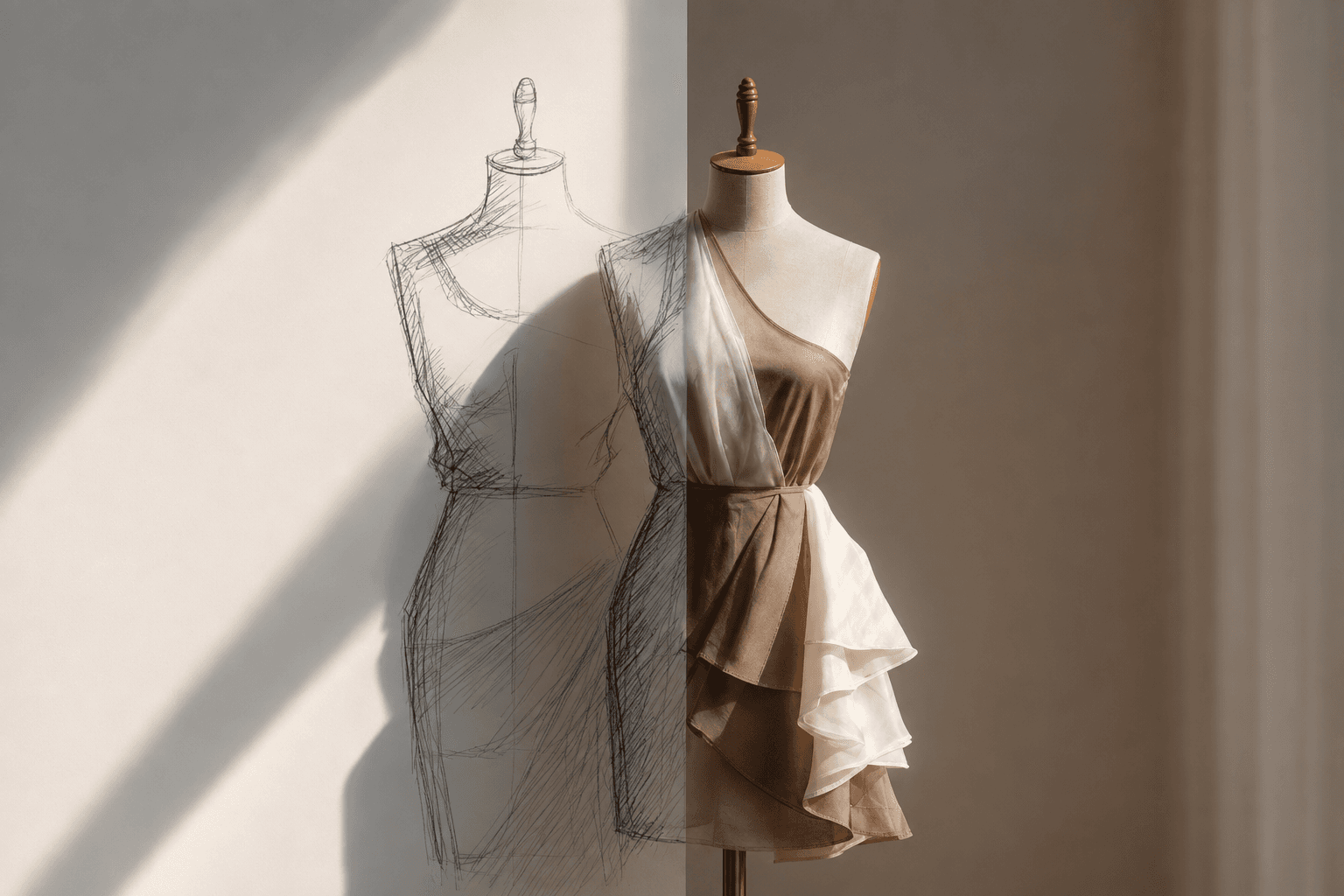
The product didn't exist yet.
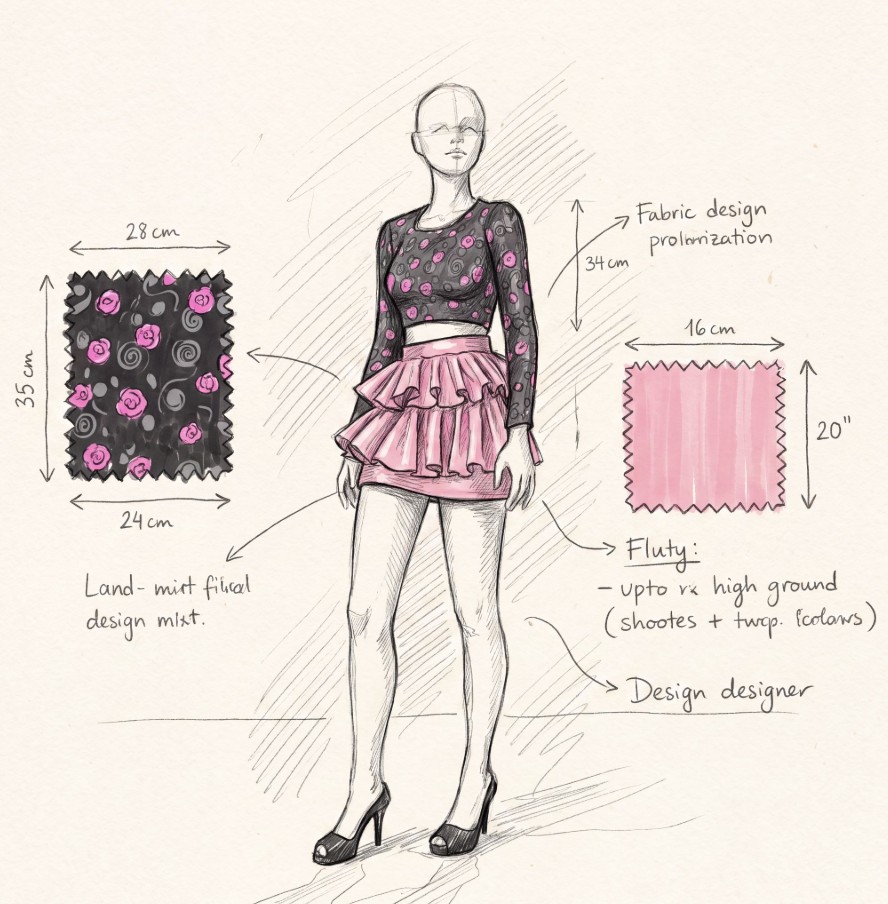
There was a sketch on a designer's screen.
A few lines. A rough shape. Some notes in the margin.
The factory hadn't produced it.
The showroom didn't have it.
There was nothing to photograph.
And yet, by the end of the day, someone was already looking at it on their phone.
They could see it in their living room.
They could change its colour.
Walk around it.
Look at it from different angles.
They could even see how it might look in a different configuration.
The product wasn't physically there.
But for the customer, it had already started to exist.
This is a subtle change in commerce that most companies haven't fully recognized yet.
For a long time, the life of a product followed a simple sequence.
Design it.
Make it.
Photograph it.
Put it on a website.
Sell it.
Digital technology changed the last part of that sequence.
Now it is changing the beginning.
A product can have a digital life before it has a physical one.
A fashion brand can turn a sketch into something a customer can experience.

A piece of furniture can be placed inside someone's home before they buy it.
A yacht can be explored, reconfigured and redesigned without changing a single physical component.
A product can be photographed without a studio.
Shown in environments that don't exist.
Experienced through a camera.
Configured in real time.
The technology behind these experiences is different.
Sometimes it is AI.
Sometimes it is 3D.
Sometimes it is CGI, AR, Virtual Try-On or real-time rendering.
But the technology isn't the interesting part.
The interesting part is what happens when the boundaries between the physical product and its digital representation begin to disappear.
Because a digital product representation is no longer just an image.
It can be a showroom.
A sales tool.
A campaign.
A product configurator.
A virtual fitting room.
A marketplace asset.
A customer experience.
And increasingly, it can become all of them at once.
This changes something fundamental.
We used to think content was something created to sell a product.
Now the digital representation of the product can become part of the product experience itself.
That means companies won't just need to produce more content.
They'll need to think differently about how their products exist in the digital world.
Where they appear.
How they behave.
How customers interact with them.
How different experiences stay consistent.
And how all of this can scale across thousands of products and millions of interactions.
The future of commerce isn't simply about making products easier to see.
It's about making them possible to experience before they exist.
At Fengs, this is the direction we're building toward.
Not another tool for generating images.
Not another isolated AR experience.
Not another 3D production service.
We're building the digital life of products.
Because the product of tomorrow may exist in the physical world.
But its first customer might meet it somewhere else.